A8N – Brute Justice
Duty Information
Expansion: Heavensward
Series: Alexander
Tier: Alexander: Midas
Encounter: Alexander: The Burden of the Son
Players: 8 Players (2 Tanks, 2 Healer, 4 DPS)
Duty Finder Type: Raid (Normal)
Level: 60
Item Level: 200
Unlock Requirement: One Step Behind
Alexander – The Burden of the Son is the fourth floor of Alexander: Midas and one of the more demanding normal raids in Heavensward. While the fight begins by revisiting earlier bosses from the tier, the encounter is really a controlled endurance test that asks the party to survive several simplified split phases before everything culminates in Brute Justice. The early sections are less about raw damage and more about keeping positioning clean, resolving tank swaps properly, and preventing avoidable vulnerability stacks from snowballing into wipes.
What makes this encounter memorable is how it escalates. Each mini-phase teaches a different kind of responsibility, from handling tethers and environmental hazards to respecting floor height mechanics and split-boss positioning. By the time Brute Justice appears, the raid is expected to combine all of that earlier discipline while handling a faster and more punishing final sequence. Groups that stay organized usually clear cleanly, while groups that get sloppy with movement or mitigation can lose control very quickly.
If you want to compare this fight against the rest of the tier, see the FFXIV Raid Rankings.
Arena Overview
The arena is a large circular platform with enough room to split bosses apart during the middle phases, which is one of the most important positioning requirements in the encounter. Tanks should be prepared to pull targets to opposite sides of the room whenever dual-boss phases begin, since overlapping mechanics quickly turns manageable damage into unnecessary chaos. The arena remains fairly open for most of the fight, but it becomes increasingly cluttered with puddles, clone charges, knockbacks, and later landmines during the Brute Justice sequence.
Because the platform offers a lot of open space, the real danger is not environmental terrain but poor spacing. Tanks need to keep bosses separated, melee need to watch frontal attacks and tankbusters, and ranged players need to place AoEs in ways that do not cut off safe movement lanes. In the later phases, especially after Brute Justice forms and briefly splits apart again, the arena can become crowded enough that players who panic or drift without a plan often step into avoidable damage.
Boss Mechanics
Onslaughter
Hydrothermal Missile: A heavy magic tankbuster on the main tank. This should always be mitigated, and healers should be ready to top the tank quickly since Onslaughter pairs this pressure with a mandatory tank-swap setup.
Perpetual Ray: A strong single-target attack that applies Magic Vulnerability Up. The important part is the debuff, not just the hit itself. Once the tank receives this, they should not keep holding the boss through the next major tank hit. Swap promptly or Hydrothermal Missile becomes far more dangerous than it looks.
Tank Strategy: Treat Onslaughter as a clean tank-swap check. One tank takes the opening sequence, the other provokes after Perpetual Ray, and both should keep the boss stable so the rest of the group can focus on movement mechanics instead of boss drift.
Mega Beam: Onslaughter charges a massive frontal beam that deals heavy damage, applies Vulnerability Up, and knocks players back. The mechanic is simple in theory but punishes hesitation. As soon as the boss begins lining up the beam, move out of the frontal lane and do not greed casts or melee uptime into it.
Execution: Onslaughter summons Steam Regulator A and Steam Regulator B adds that need to be burned quickly. Any regulator left alive will explode for raid-wide damage and inflict both Vulnerability Up and Damage Down. This is one of the clearest punishment checks in the phase. The party should swap focus immediately, use efficient AoE or fast target swaps, and make sure no regulator is ignored.
Discoid: Four players are tethered to slow-moving orbs. If an orb reaches its tethered target, that player dies. The standard solution is for tanks to intercept these orbs before they reach the marked players. Because the explosions are small AoEs, interceptors and nearby players should avoid clipping each other. This is less about soaking late and more about getting in front of the tether path early and calmly.
Seed of the Sky: Targeted AoEs appear under players and later drop missiles on those locations. Spread cleanly, keep moving, and avoid stacking placements. Anyone clipped takes heavy damage plus Vulnerability Up and Damage Down, which can make the next mechanic much harder to heal through.
Phase Summary: Onslaughter is the clean execution gate for the rest of the encounter. Swap properly after Perpetual Ray, kill regulators immediately, and let tanks intercept Discoid safely. If the group exits this phase without extra vulnerability stacks, the rest of the fight becomes much easier to stabilize.
Brawler and Vortexer
After Onslaughter leaves, Brawler and Vortexer enter together. This phase should be treated as a split-boss assignment check. Each tank picks up one boss and moves it to opposite sides of the arena. The goal is to reduce overlap, give both halves of the group clear space to work with, and make later movement more readable. East-west separation is usually the cleanest option.
Vortexer
Ice Missile: A player is marked with a large AoE and drops a persistent ice field where they were standing when the marker resolves. That field deals damage over time and applies Frostbite. The marked player should place this near the outer edge of their side of the arena, not in a central lane that the party may need later.
Earth Missile: Drops an AoE where the marked player was standing and leaves behind a persistent lava-like puddle. Standing in it deals damage and inflicts Sludge and Leaden, which heavily slow movement. Just like Ice Missile, the correct play is disciplined placement. Put it away from the party and preserve usable ground.
Super Cyclone: A large knockback centered on Vortexer. Players should expect it, position accordingly, and avoid being launched into puddles or across the room into the other boss group. Anti-knockback tools can help, but basic pre-positioning is usually enough.
Brute Force: A hard-hitting tankbuster. The tank handling Vortexer should mitigate it consistently, since taking an unplanned spike here can destabilize one side of the split phase.
Brawler
Single Blaster / Double Blaster: Brawler raises its arms and players need to read whether one cannon or two are active. Single Blaster targets the main tank, so the rest of the group should stay clear while the tank mitigates and healers prepare spot healing. Double Blaster instead calls for a party stack and shared mitigation. This is a simple read mechanic, but groups often fail it by reacting too slowly or standing half-in and half-out.
Magicked Mark: A magic tankbuster on Brawler’s target. This should be mitigated normally and does not need special handling beyond keeping the boss stable and faced away from the group.
Phase Strategy: Keep both bosses turned away from the raid and well separated. Players assigned to Vortexer need to place persistent fields cleanly, while Brawler’s side needs to read cannon patterns correctly. Once one side finishes first, that group should rotate over quickly and help clean up the remaining boss. Avoid dragging one boss through leftover puddles or across the middle during the transition.
Swindler and Blaster
The next split phase brings Swindler and Blaster. Once again, tanks should immediately separate them to opposite sides of the arena. This phase is more mechanically technical than the previous one, since players now have to manage floor heights, stack counts, clone charges, and positioning all at once.
Blaster
Summon Clones: Players marked with blue arrows will have a clone land on their position. After spawning, the clone charges in a straight line and inflicts damage plus Vulnerability Up on anyone hit. Marked players should place clones so that the resulting charge lanes travel through open edge space rather than through the middle of the party. This mechanic becomes much easier if everyone stops drifting randomly.
Mind Blast: Raid-wide magic damage. Mitigate and heal through it cleanly. On its own it is manageable, but it becomes more dangerous if players are already carrying damage from clone hits or mismanaged floor mechanics.
Brute Force: Another strong tankbuster. Tanks should not get complacent here just because this is still a split phase; the incoming damage remains meaningful.
Swindler
Low Arithmeticks / High Arithmeticks: Players receive either a red or blue debuff that determines which floor height they need to stand on. The safe solution is to quickly identify your debuff and move to the opposite corresponding elevation required by the mechanic. This is the core identity of the phase and must be handled correctly every time.
Enumeration: A player is marked with a circular stack zone and overhead orbs that indicate exactly how many players must stand inside it. Too many or too few players causes heavy damage and inflicts Vulnerability Up. The party should call this mentally as a numbers check, not just a generic stack marker. Count properly before committing.
Height: Swindler checks each player’s floor level against their debuff. If a player is on the correct height, they only take minor damage. If they are on the wrong height, they suffer Height Error.
Height Error: Heavy damage plus Vulnerability Up. This is the punishment for failing the arithmetic mechanic and can easily cascade into deaths if it overlaps with other incoming damage.
Magicked Mark: A magic tankbuster on Swindler’s target. Mitigate as normal and keep the boss controlled while the group resolves height-based mechanics.
Separation Rule: Swindler must be kept away from other bosses because it gains a buff when near them. Tanks should be deliberate here. Do not lazily park the bosses close together, and do not drag them across each other during movement. North-south separation tends to work well because it gives the party clear lines for clone placement and room to adjust heights.
Phase Strategy: This is the most coordination-heavy of the split phases. Players need to resolve arithmetic debuffs correctly, count Enumeration properly, and place Blaster clone charges where they do not cut through the raid. Groups that stay calm and prioritize clean positions will usually stabilize it; groups that panic-move between heights and clone lanes often create avoidable deaths.
Brute Justice
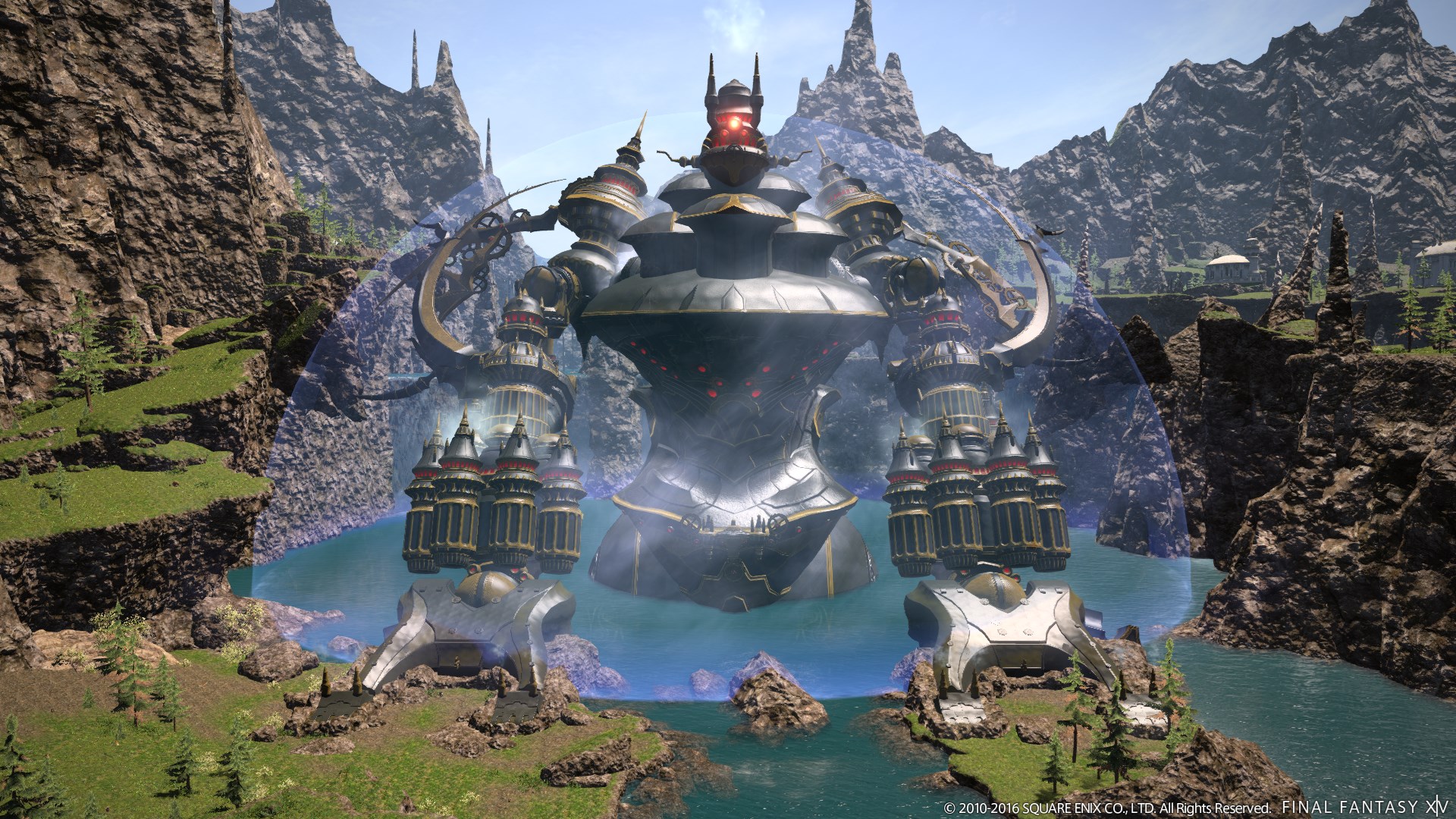
After Swindler and Blaster are defeated, all prior bosses return and merge into Brute Justice. The transformation itself deals damage and knocks players back, so everyone should be ready to recover their footing and immediately reset around the center of the arena. This is the real climax of the encounter and the phase that determines whether the raid has actually learned the earlier mechanics or merely survived them.
Double Rocket Punch: A heavy tankbuster that must be shared by both tanks. This is not a solo-tank hit. Both tanks should stack together, use mitigation, and make sure the boss is positioned predictably so healers can prepare recovery. If one tank is late or out of position, this hit becomes very dangerous.
Long Needle: Four players receive spread AoEs while another player is marked for a stack. The group must resolve both pieces cleanly: marked spread players fan out without clipping anyone, and everyone else collapses on the stack target. The key is discipline. Players with circles should leave first, and the stack group should not wander into their space.
Apocalyptic Ray: Brute Justice turns toward a player and fires a sustained laser line that rapidly inflicts damage and Vulnerability Up. The correct response is to move behind the boss or otherwise fully exit the beam path immediately. This is one of the phase’s most punishing greed checks because standing in it for even a short time adds up fast.
Super Jump: Brute Justice jumps to a random player and deals heavy splash damage around the landing point. The raid should stay spread enough that the chosen target does not clip multiple players. This is not a full spread mechanic across the entire arena, but bunching up carelessly can turn one jump into unnecessary raid damage.
Flarethrower: A frontal cone attack that should be aimed away from the group. Tanks need to keep the boss steady so the rest of the party always knows where the unsafe front is located.
Short Needle: Three volleys of raid-wide AoE damage. This is a mitigation and healing sequence rather than a movement puzzle. Healers should plan throughput here, and the party should avoid entering it with leftover vulnerability stacks from previous mechanics.
Mega Beam: Brute Justice reuses the same beam pattern seen earlier. Move out of the frontal line quickly and do not get knocked into other hazards. At this stage of the fight, the beam is less about recognition and more about avoiding execution mistakes while under pressure.
J Kick: Brute Justice leaps into the air and slams into the center, dealing raid-wide damage. This is a good moment for party mitigation and quick healing before the next sequence begins.
Ordered Pattern: Brute Justice cycles through its abilities in a fairly readable order, which helps a lot once the group knows the fight. That means consistency matters more than improvisation. If everyone expects the next mechanic and pre-positions properly, the final phase becomes much easier to stabilize.
Split Reprise: After the first cycle, Brute Justice separates and the earlier bosses briefly return while dropping AoEs and reusing their signature mechanics. This is the encounter’s callback section. Players must again watch height debuffs, avoid leftover hazards, and not step on the Landmines that appear. The fight is intentionally testing whether the raid can still perform earlier mechanics when the screen gets busier.
Landmines: Avoidable explosive traps during the reprise section. These are easy to trigger if players tunnel too hard on their original boss mechanics and stop watching their feet. Movement needs to stay deliberate.
Final Reform: After the reprise, Brute Justice reforms and repeats its main sequence until the boss dies or enrages. At this point the fight becomes a composure test. Groups that have preserved healer resources and avoided unnecessary vuln stacks can close it out cleanly.
Enrage: The fight has a hard enrage at roughly 10 minutes. When the final timer appears, the raid only has a few seconds left to finish the boss before a wipe. If your group is reaching enrage consistently, the problem is usually not just damage output. It is often lost uptime from messy add handling, deaths during split phases, or avoidable movement errors in Brute Justice.
Encounter Flow
Opening – Onslaughter: The fight begins with Onslaughter alone. Tanks should establish a clean swap pattern around Perpetual Ray and Hydrothermal Missile while the party avoids Mega Beam and prepares for regulator adds. Discoid tethers should be intercepted cleanly by tanks, and Seed of the Sky should be spread without cluttering useful space. This opening phase is all about leaving with a stable party and no unnecessary debuffs.
First Split – Brawler and Vortexer: Once Onslaughter exits, the arena splits into two work zones. Each tank takes one boss and parks them apart. Vortexer’s side focuses on correct puddle placement and knockback control, while Brawler’s side reads cannon patterns and resolves either stack or tank-focused damage correctly. When one side finishes, that group rotates over to help clean up the other.
Second Split – Swindler and Blaster: The next pair adds a heavier coordination check. Blaster forces players to place clone charges safely, while Swindler tests floor-height awareness and Enumeration counts. Tanks should maintain strong separation and keep Swindler away from other bosses at all times. This is the phase where sloppy movement tends to punish groups the hardest.
Transformation – Brute Justice: After the split bosses are defeated, they merge into Brute Justice and knock the party back. Regroup quickly, stabilize, and prepare for a more demanding mechanic cadence. The tank pair should be ready to share Double Rocket Punch immediately, and the rest of the group should expect a combination of spreads, stacks, line attacks, and raid-wide damage in quick succession.
Main Brute Justice Cycle: The boss runs through a recognizable sequence that includes Long Needle, Apocalyptic Ray, Super Jump, Flarethrower, Short Needle, Mega Beam, and J Kick. This section rewards rhythm. Players who understand the order can pre-position and preserve uptime, while players who react late often collect avoidable damage.
Reprise Phase: After the first full cycle, Brute Justice separates and earlier mechanics return in a compressed callback phase. Players need to handle boss-specific patterns the same way they did before while also avoiding landmines and watching arena clutter. This section is easier if the group treats it as familiar mechanics under pressure instead of trying to relearn anything on the fly.
Final Burn: Brute Justice reforms for the last stretch and resumes its main attacks until death or enrage. This is where disciplined groups finish the encounter. Stay calm, keep the boss faced correctly, heal raid-wides cleanly, and avoid handing the healers extra work through greed mistakes. If the group reaches the final enrage cast, the raid is usually very close and just needs cleaner earlier execution to convert the kill.