FFXIV Relic Weapons Guide (2026): Every Relic System Explained
Relic weapons are one of the most enduring long-term progression systems in Final Fantasy XIV. Every expansion introduces a new chain, each built around different content, different grind types, and a different relationship between the player and their time.
Some relics are designed to be completed in a few focused sessions. Others are months-long commitments that touch almost every corner of the game. Understanding what each system actually asks of you — before you start — is the difference between a grind you enjoy and one that burns you out halfway through.
This page is the starting point for relic weapon progression in FFXIV. It covers every system from A Realm Reborn through Dawntrail, with quick comparisons, grind length assessments, and links to full step-by-step guides for each chain.
Quick Answers
- Fastest relic to complete: Manderville Weapons
- Easiest relic to start: Manderville Weapons
- Best current-expansion relic: Phantom Weapons
- Most prestigious grind: Zodiac Weapons
- Hardest overall: Zodiac Weapons
All Relic Weapons at a Glance
| Expansion | Relic System | Content Type | Grind Length |
|---|---|---|---|
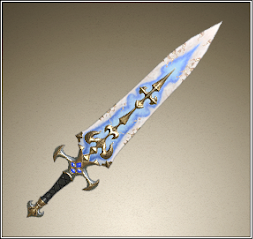
| A Realm Reborn | Zodiac Weapons | Dungeons, FATEs, crafting | Very Long |
| Heavensward | Anima Weapons | Dungeons, tomestones | Long |
| Stormblood | Eureka Weapons | Exploration zones | Very Long |
| Shadowbringers | Resistance Weapons | Bozja battlefield content | Long |
| Endwalker | Manderville Weapons | Tomestones | Short |
| Dawntrail | Phantom Weapons | Mixed content | Medium |
Want a full difficulty breakdown? See the Hardest Relic Weapons Ranked for a detailed comparison of grind pressure, RNG exposure, and time investment across every system.
Every Relic System Explained
A Realm Reborn — Zodiac Weapons
The Zodiac chain is where relic weapons began, and it remains the most demanding system in the game. Its difficulty does not come from any single punishing step but from the sheer breadth of what it requires — FATE grinding, dungeon clears, crafted material turn-ins, random drop acquisition, and a multi-stage upgrade chain that touches almost every piece of content available in A Realm Reborn.
The Atma and Animus stages are where most players stall. Atma drops are random from open-world FATEs with no pity mechanic, and the Animus books restrict exactly where and how you can grind toward each completion. Even with modern patch adjustments, a full Zodiac Zeta weapon is one of the largest single-weapon time investments in the game.
Players who complete it do so for the prestige, not the efficiency. If that is what you are looking for — a grind that means something because of how much it resisted you — Zodiac is the honest answer.
- FATE grinding with RNG drop requirements across multiple stages
- Repeated dungeon clears at several upgrade steps
- Crafted and purchased material turn-ins
- Book-gated grinding stages that restrict content variety
Heavensward — Anima Weapons
Anima weapons represent a more structured approach to relic design. The chain is long — many stages, sustained engagement with dungeons, tomestones, and aetheric density farming — but it avoids the RNG pressure of Zodiac and the zone-dependency of Eureka. Every step has a predictable path to completion, and forward progress is consistent as long as you put in the time.
The aetheric density stages are the most repetitive part of the chain and the closest thing Anima has to a genuine friction point. Running duties to fill the density gauge across multiple items takes time. But unlike Zodiac’s random drop stages, you always know exactly how far away you are and exactly what you need to do to get there.
Anima weapons are often the recommended starting point for players who want to experience a legacy relic chain without committing to the full weight of Zodiac or Eureka. The Heavensward content they are tied to is among the best in the game, which makes the grind more tolerable than most.
- Extended aetheric density farming across multiple duties
- Dungeon and trial clears at several stages
- Crafted material and tomestone turn-ins
- Predictable forward progress throughout — no RNG stages
Stormblood — Eureka Weapons
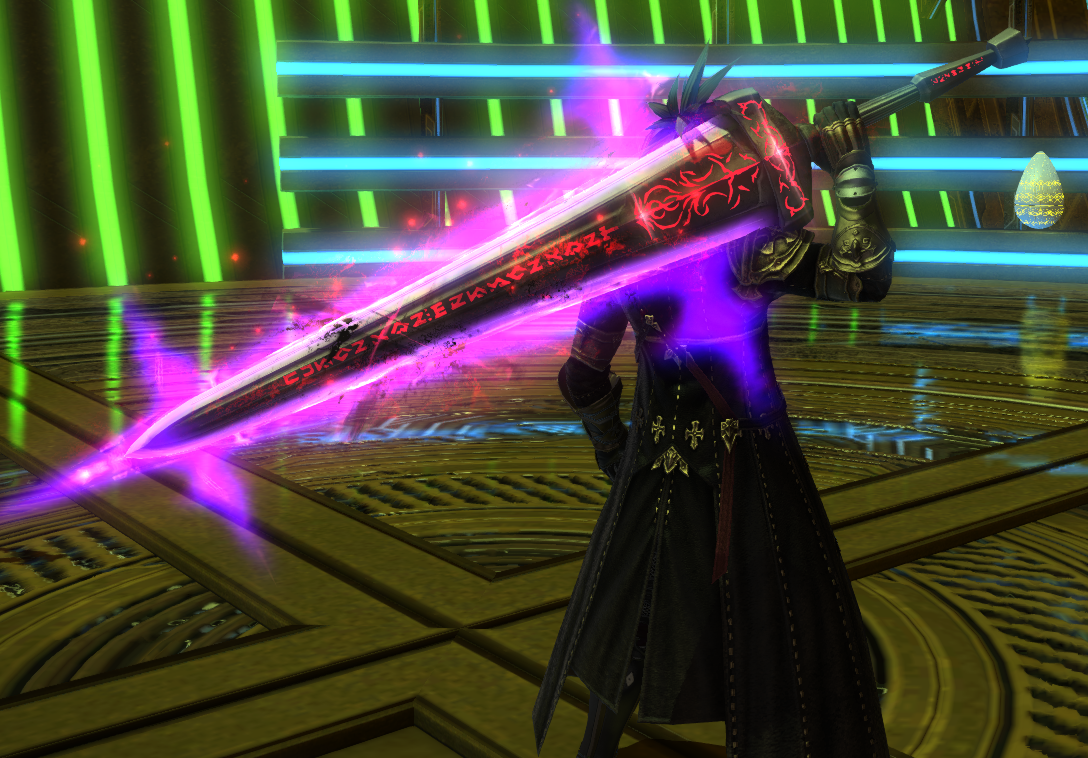
Eureka is the most self-contained relic system in the game, and that self-containment is both its defining quality and its defining challenge. Almost all progression happens inside the four Eureka zones — Anemos, Pagos, Pyros, and Hydatos — each with its own Elemental Rank system that must be leveled before deeper progression unlocks.
What makes Eureka demanding is not any single mechanic but the sustained commitment the zones require. Progress is tied to Notorious Monster farming, zone population activity, and long sessions inside spaces that operate on their own schedule rather than yours. The Pagos zone in particular has earned a difficult reputation — not because it is mechanically hard, but because it is slow, and the pace is non-negotiable.
For players who find the Eureka zones engaging on their own terms — the scale, the community dimension, the feeling of a world with its own rules — the grind is worth it. For players who want efficient forward progress toward a glamour goal, it will test patience more than almost anything else in the game.
- Separate Elemental Rank progression required in each zone
- Notorious Monster farming tied to zone population and spawn timers
- Four full exploration zones required from start to finish
- Progress partially dependent on zone population activity
Shadowbringers — Resistance Weapons
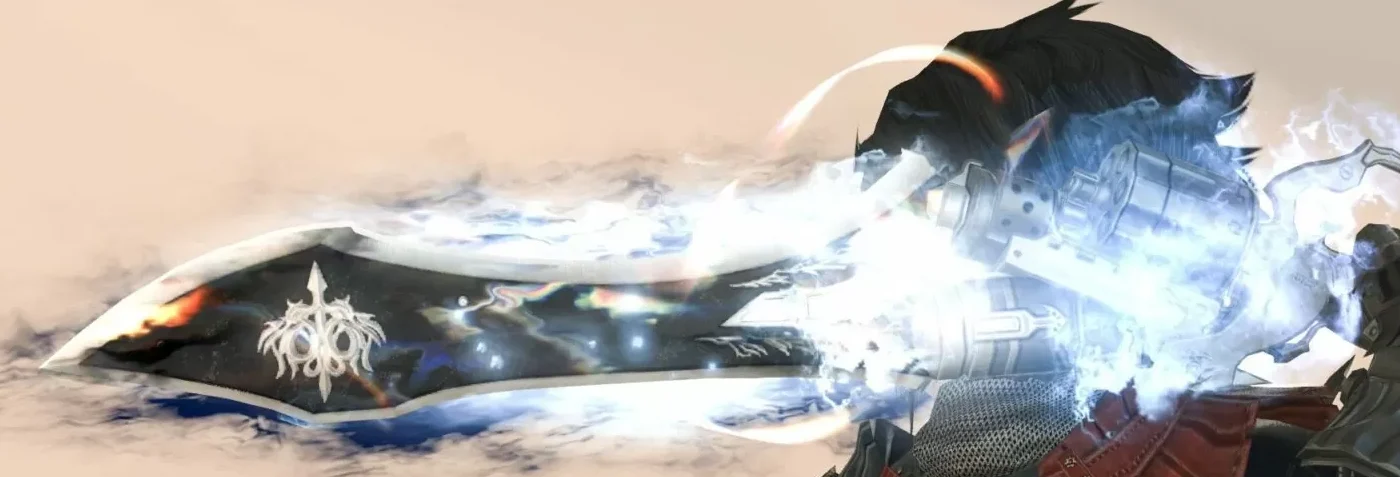
Resistance weapons are tied to the Bozjan Southern Front and Zadnor — large-scale battlefield zones with their own progression currency, critical engagements, skirmishes, and raid content. The system is more varied than Eureka and more directed than Zodiac, with multiple avenues for forward progress that give players some choice in how they engage with the grind.
The memory farming stages require running specific FATEs and duties repeatedly, which is the chain’s most repetitive stretch. The final upgrades — Augmented Law’s Order and the Blade’s Weapon — require Delubrum Reginae participation, including the Savage version for the final stage. That means the end of the chain is gated behind large-scale raid content that demands coordination beyond standard Duty Finder groups.
The Resistance chain also carries one of the strongest narrative throughlines of any relic system, tied closely to the Save the Queen storyline. Players engaged with that story will find the grind purposeful. Players who skipped it may find the Bozjan investment harder to sustain.
- Bozjan Southern Front and Zadnor progression required throughout
- Memory farming stages tied to specific FATEs and duties
- Delubrum Reginae normal and Savage required for final upgrades
- Multiple distinct progression currencies across stages
Full Resistance Weapons Guide →
Endwalker — Manderville Weapons
Manderville weapons are what relic design looks like when the priority is accessibility. The system strips away almost everything that made earlier relics feel punishing — no RNG drops, no exploration zone prerequisites, no battlefield progression — and replaces it with a straightforward tomestone loop that most players can complete through normal daily play.
That simplicity is a design choice, not a compromise. Endwalker’s relic was built to be completable alongside other content rather than consuming the expansion’s entire mid-patch cycle. The result is a weapon that carries the relic designation without carrying the relic grind.
For players who want a relic weapon in their glamour dresser with the least friction between here and there, Manderville is the answer. For players who want the grind to mean something, it ends before it begins.
- Tomestone farming across all stages
- No RNG exposure at any point
- No exploration zone or battlefield prerequisites
- Completable through normal daily play routines
Full Manderville Weapons Guide →
Dawntrail — Phantom Weapons
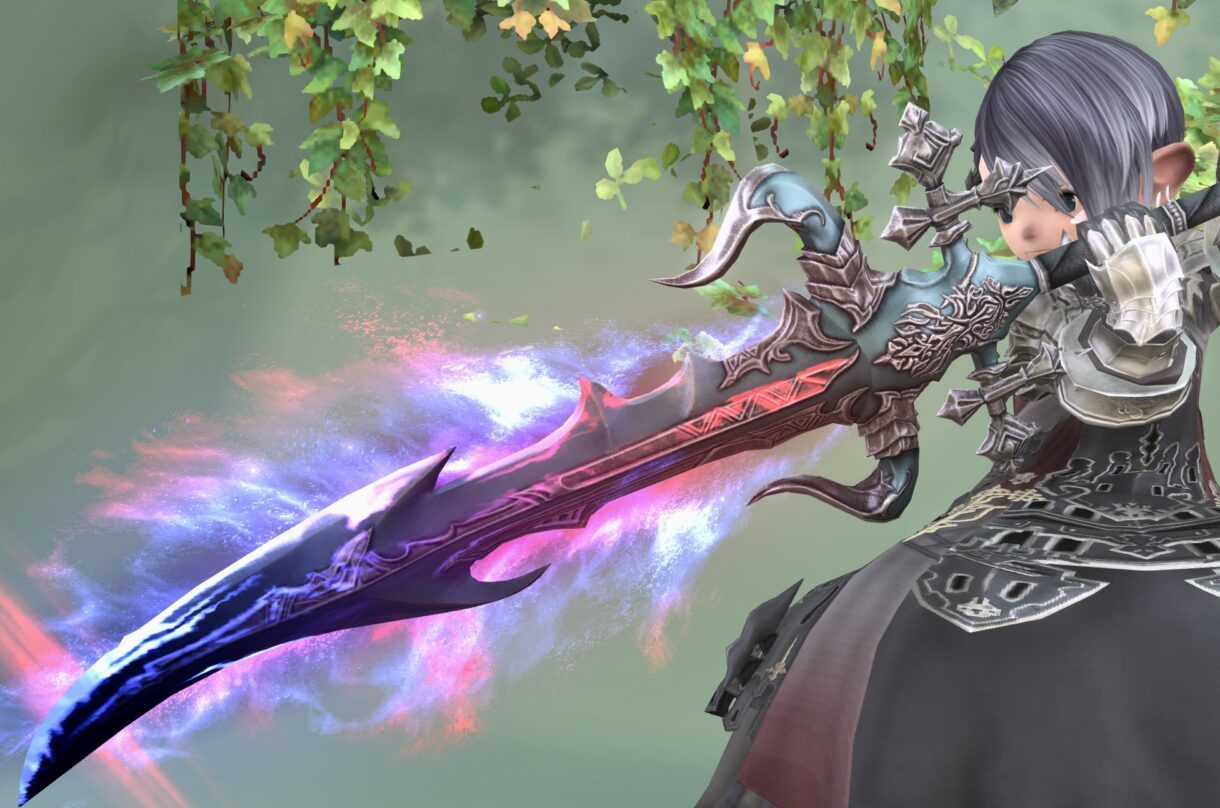
Phantom weapons are the current relic system and they reflect the direction modern relic design has been moving — multiple content sources, flexible farming routes, and a progression structure that fits into regular play over weeks rather than demanding marathon sessions.
The Occult Crescent FATE farming is the system’s main time sink, and it carries some of the communal quality of Eureka without the zone-leveling prerequisite that makes Eureka so front-heavy. Duty roulettes, crafting materials, and relic currency exchanges give additional avenues for progress that can be woven into standard daily routines.
As a current-expansion relic, the Phantom system is still active and may see further additions or adjustments before Dawntrail concludes. Players starting now are working through a grind that is not yet fully mapped, which is part of what makes current-expansion relic progression feel different from farming a completed legacy chain.
- FATE farming in the Occult Crescent regions
- Duty roulettes and crafted material turn-ins
- Relic currency exchanges across multiple stages
- Current-expansion system with potential further updates
Relic Armor Systems
Three expansions include relic armor sets tied to their weapon progression systems. These are separate grinds but share content overlap with their corresponding weapon chains.
| Expansion | Armor System | Guide |
|---|---|---|
| Stormblood | Eureka Armor | View Guide |
| Shadowbringers | Resistance Armor | View Guide |
| Dawntrail | Arcanaut Armor | View Guide |
Which Relic Should You Start With?
The right relic depends entirely on what kind of grind you want and what you want to have when it is done.
If you want the fastest possible completion with the least friction, start with Manderville Weapons. The tomestone loop is predictable, there is no RNG, and you can finish it while engaging with other content. It will not feel like the most meaningful grind you have ever done, but the weapon will be in your inventory quickly and cleanly.
If you want the current expansion’s relic and are playing regularly, Phantom Weapons are the natural choice. The system is designed for sustained daily engagement and fits into normal play routines better than any legacy chain.
If you want a legacy grind that is substantial but manageable — something you can plan around and complete without clearing your schedule — Anima Weapons are the strongest starting point among the older systems. The chain is long but predictable, and the Heavensward content it is tied to rewards the time spent in it.
If you want the full weight of what a relic grind can be — the prestige, the community, the grind that people remember — look at Zodiac or Eureka. Both will take longer than you expect. Both are worth it for the players they are built for.
Not sure which difficulty level is right for you? See the Hardest Relic Weapons Ranked for a full breakdown of grind pressure across every system.
Guildmaster Notes
The relic weapon is one of the oldest promises Final Fantasy XIV makes to its players. Work long enough, engage deeply enough, and the game will give you something that marks the effort. Not better gear — the gear stops mattering quickly — but a record. A visible thing that says you were here and you stayed.
Every expansion has interpreted that promise differently. A Realm Reborn interpreted it as breadth — touch everything, do it all, earn the right to say you did. Eureka interpreted it as immersion — enter a world that does not care about your efficiency and learn to move on its terms. Resistance interpreted it as narrative — let the grind have a story, so finishing feels like resolution rather than relief. Manderville interpreted it as accessibility — let the promise be fulfillable without the suffering, and trust that the symbol still means something.
None of these interpretations is wrong. They are different answers to the same question, built for different players at different points in the game’s life. The relic you choose says something about what you want from the game right now, not just what you want at the end of the grind.
Start where the game meets you. The harder systems will still be there when you are ready for them.