The Swallow’s Compass Dungeon Guide (FFXIV Stormblood) – Boss Mechanics & Strategy
Duty Information
Expansion: Stormblood
Encounter: The Swallow's Compass
Players: 4 Players (1 Tank, 1 Healer, 2 DPS)
Duty Finder Type: Dungeon
Level: 70
Unlock Requirement: Tortoise in Time
Common Failure Points
- Getting hit by multiple Tengu Ember flames during Otengu and accumulating enough Suppuration stacks to meaningfully reduce maximum HP and increase damage taken.
- Standing on the arm side during Daidarabotchi’s no-cast-bar slam and taking a Vulnerability Up stack from an attack with no visual warning beyond the body animation.
- Failing to move out of Swallow You, Consume You!‘s expanding lake quickly enough and being forced to the arena edge as it grows to cover 75% of the arena.
- Misreading Both Ends Both Ends on Qitian Dasheng and moving toward the boss during the normal weapon cast or away during the enlarged electrified weapon cast.
- Failing to kill the Servant of the Sage adds before the Monkey Magicks meter fills, or killing only one Shadow of the Sage during Splitting Hairs and triggering another split.
Dungeon Overview
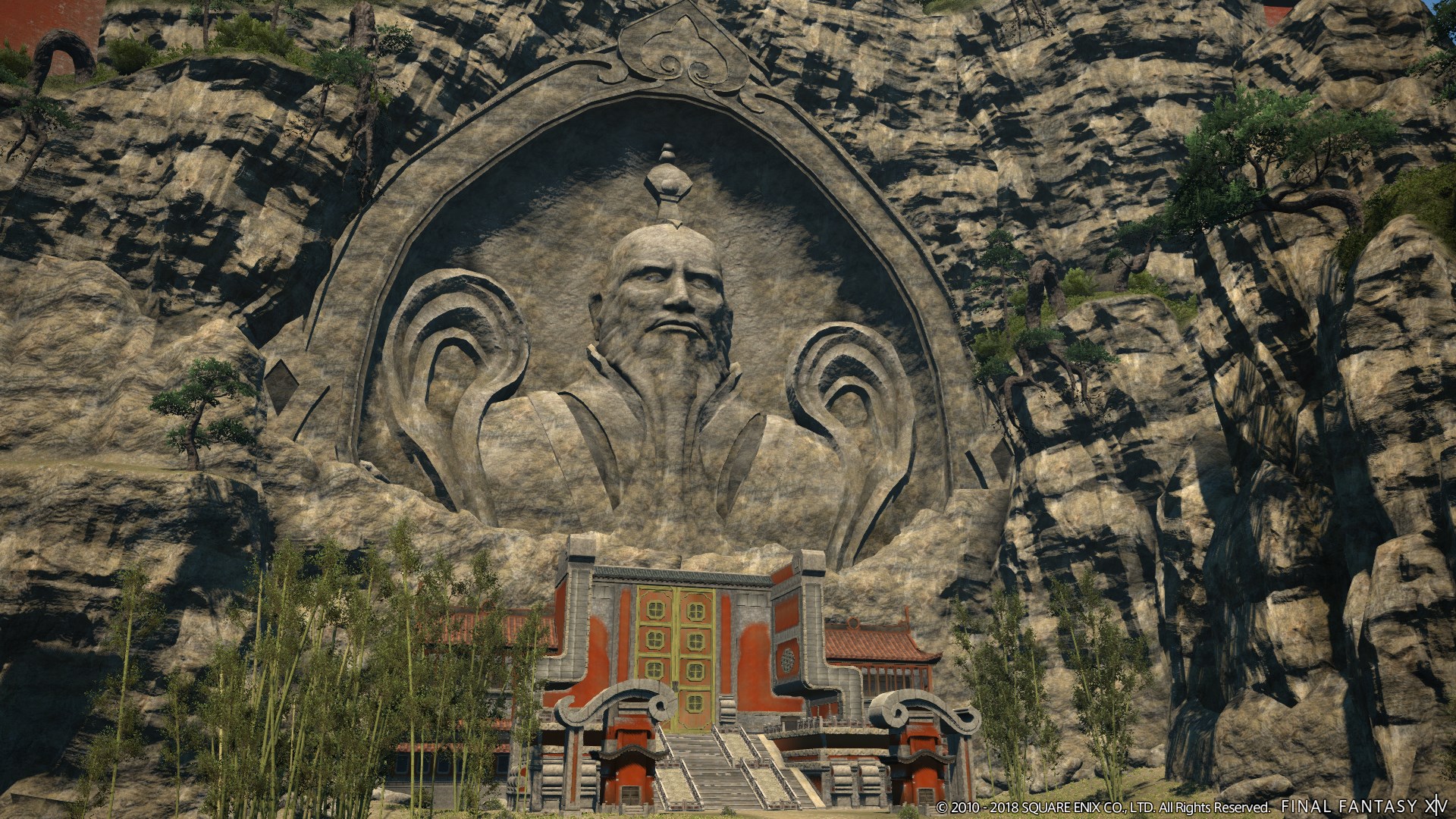
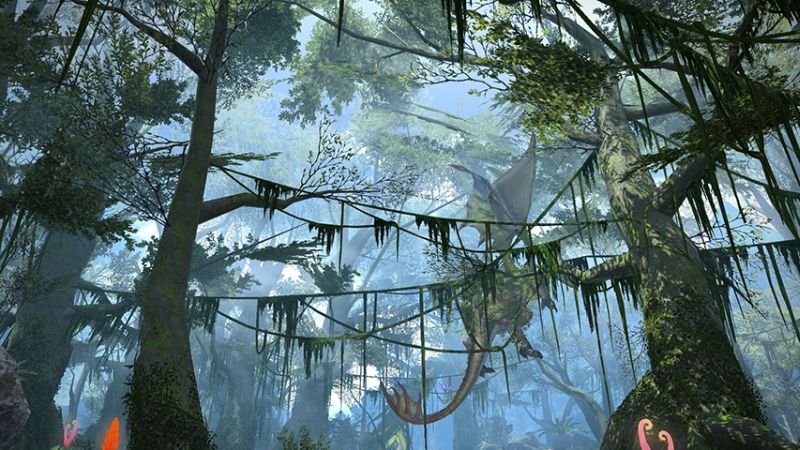
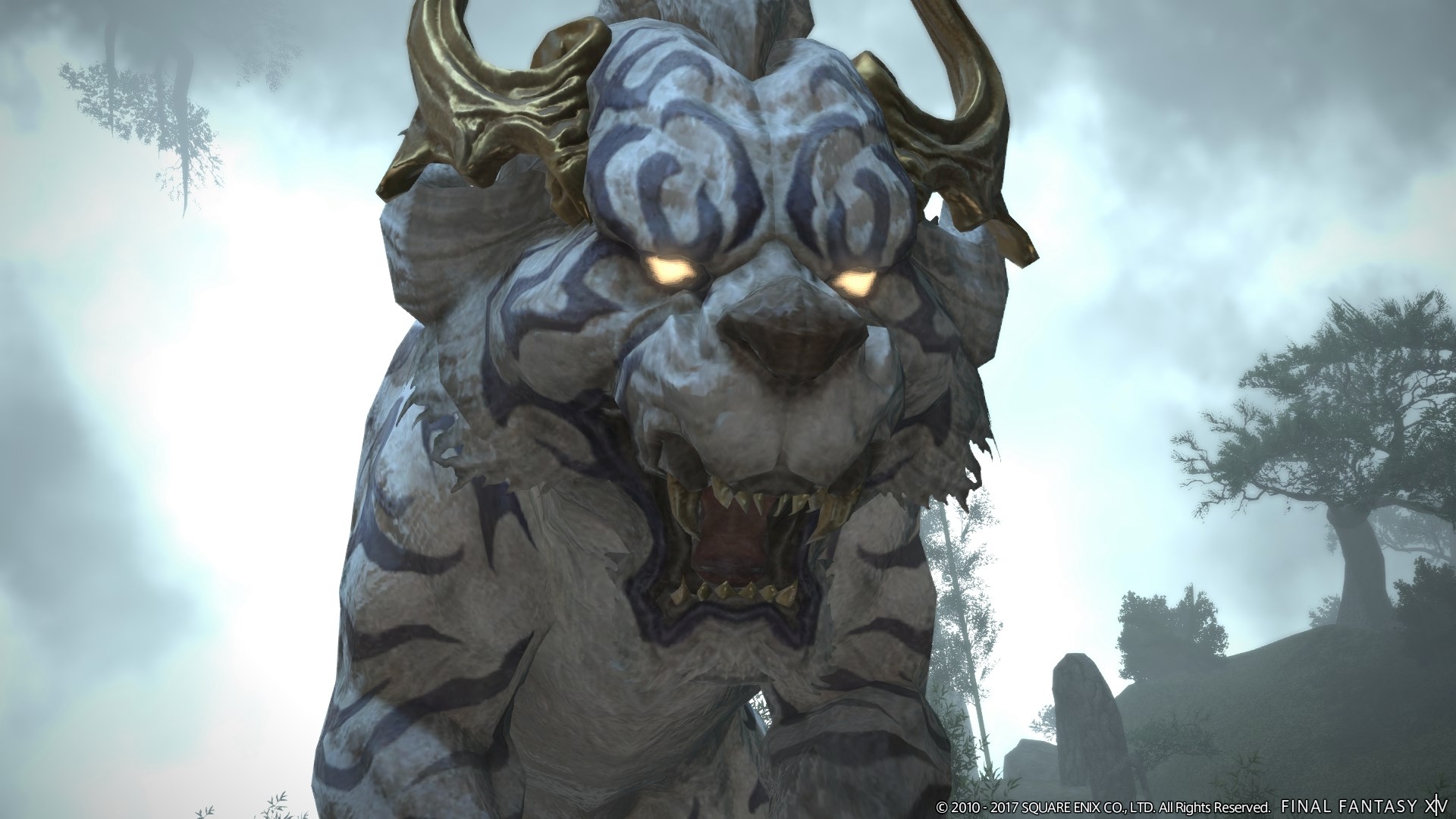
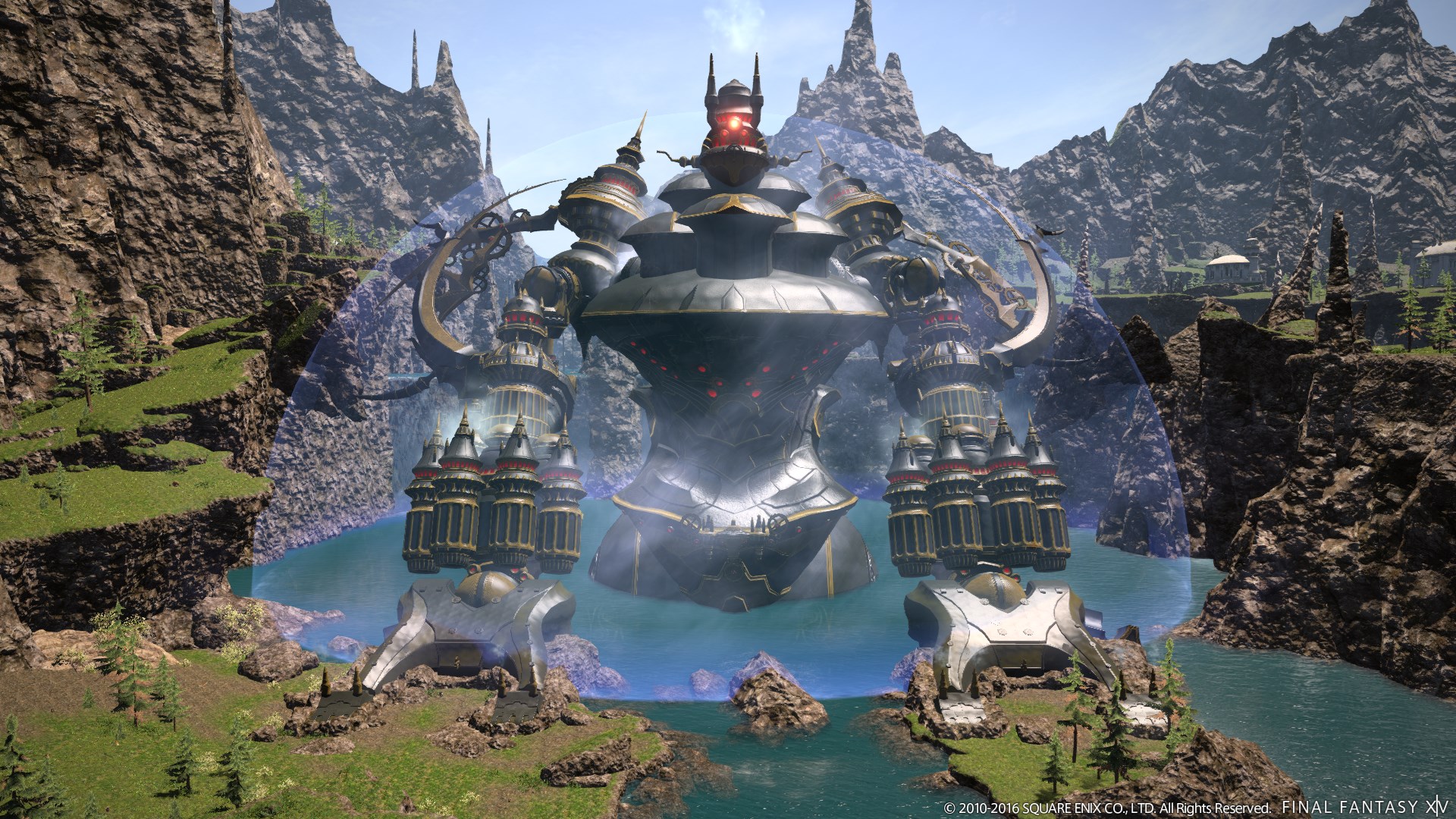
The Swallow’s Compass is a level 70 dungeon introduced in Patch 4.3 with Stormblood. It is an optional dungeon set within a geomantic site sacred to Doman tradition — a place where the landscape itself has been shaped by centuries of deliberate practice, and where the creatures that dwell within reflect the elemental power that has accumulated there. The dungeon’s visual tone is distinctive within the Stormblood lineup: vivid, mythically charged, and drawing heavily on Hingan and Doman iconography for its three boss encounters.
Otengu opens the run with a mobile arena fight that introduces Suppuration stacks through drifting flame adds alongside a gaze mechanic and a standard rotation of AoEs. Daidarabotchi is the dungeon’s most unusual encounter — a boss whose primary arm-slam attack has no cast bar and must be read from its body animation and on-screen text, combined with a persistent expanding lake mechanic that progressively consumes the arena. Qitian Dasheng closes the dungeon with a weapon-state-read mechanic, a timed add-kill phase, and a final Splitting Hairs phase that requires balanced damage across two copies to avoid a second split.
The Swallow’s Compass does not have Duty Support. Its encounters are inventive and well-paced, with Daidarabotchi in particular offering a memorable arena-consumption mechanic that rewards proactive positioning. The dungeon’s final boss is the most mechanically layered of the three and benefits from a brief explanation of the Both Ends Both Ends weapon-state distinction before the pull.
Need the unlock path? See All FFXIV Dungeon Unlock Requirements.
Dungeon Objectives
- Arrive at the Heart of the Dragon
- Defeat Otengu
- Arrive at the Dragon’s Mouth
- Defeat Daidarabotchi
- Arrive at Serenity
- Defeat Qitian Dasheng
Boss Encounters
Otengu
Key Mechanics
- Clout of the Tengu — Large AoE centred on Otengu. Move away from the boss when this fires.
- Yama-kagura — Medium-width line AoE directed at a non-tank player. The targeted player should move laterally to avoid the line, and other players should not stand between Otengu and the targeted player.
- Wile of the Tengu — Gaze attack. Looking away from Otengu before the cast resolves avoids the effect; failing to look away inflicts the Hysteria debuff, causing loss of movement control.
- Tengu Ember — Multiple Tengu Ember flames spawn and begin moving around the arena. Contact with a flame deals minor damage and applies one stack of Suppuration, which reduces maximum HP and increases damage taken. After a period of time, remaining flames explode in medium-sized AoEs. Players should avoid contact with the flames while repositioning for other mechanics.
- Might of the Tengu — Tankbuster. Tank applies mitigation and healer tops up as needed.
Strategy Notes
Otengu is a well-constructed opening encounter that introduces the dungeon’s mobile, awareness-demanding tone. The base rotation is readable — Clout of the Tengu is a standard point-blank displacement, Yama-kagura is a directed line AoE that the targeted player steps out of laterally, and Might of the Tengu is a straightforward tankbuster. The fight’s distinctive character comes from the interaction between Tengu Ember and the gaze mechanic, both of which demand attentiveness during repositioning rather than in isolation.
When Tengu Ember flames appear, they drift across the arena on their own paths rather than tracking players directly. The goal is simply to not walk through them — each contact applies a Suppuration stack that reduces maximum HP and increases incoming damage, and multiple stacks compound meaningfully over the course of the fight. Players should track the flames’ movement patterns rather than reacting to each one individually, navigating around them during repositioning for Clout of the Tengu and Yama-kagura rather than stopping to wait for them to pass. The flames eventually explode in AoEs, which creates a secondary deadline — players still too close to a flame cluster when it detonates will take the explosion damage, which is more substantial than the contact hit. Move away from any clusters of dormant flames when their explosion timer approaches.
Wile of the Tengu fires during the same windows as the flame movement, which is where the fight concentrates its real demand. A player navigating around Tengu Embers while also needing to turn away from the boss for the gaze is managing two spatial requirements simultaneously. The solution is to track both the gaze cast bar and the flame positions at the same time — identify a direction to face that both avoids the flames and keeps Otengu out of the forward field of view. Hysteria from a failed gaze causes uncontrolled movement that can carry a player directly into a flame or an explosion AoE, compounding the failure quickly. Build the habit of checking Otengu’s cast bar periodically while navigating the flames rather than focusing exclusively on the floor.
Failure Points
Multiple Suppuration stacks are the fight’s primary attrition mechanic, and they accumulate almost exclusively through inattentiveness rather than difficult execution. A single stack is a minor inconvenience; three or four stacks across the full fight duration meaningfully reduces the margin for error on subsequent mechanics, particularly the Might of the Tengu tankbuster. Players who develop the habit of tracking the flame paths rather than reacting to each one will avoid the majority of contact hits entirely.
Hysteria from Wile of the Tengu at the wrong moment — specifically during a dense flame cluster phase — is the encounter’s sharpest single failure point. Uncontrolled movement into multiple flames while debuffed with Hysteria can rapidly stack Suppuration to levels that create genuine healing pressure. The gaze has a readable cast bar and the window to turn away is generous; the only cause of Hysteria is insufficient cast bar awareness during the flame navigation phase. Keep one eye on the boss.
Daidarabotchi
Key Mechanics
- Arm Slam (no cast bar) — Announced by the on-screen message “Daidarabotchi is gathering aetherial energy…” Daidarabotchi raises one arm and slams it into the ground, dealing moderate damage and applying one stack of Vulnerability Up to anyone hit. Move to the opposite side of the boss from the raised arm before the slam resolves.
- The Land Take You, Claim You! — AoE that follows the marked player. Move away from the party and keep moving to avoid the tracking effect landing on allies.
- Swallow You, Consume You! — Daidarabotchi strikes the ground and creates a large, persistent circular AoE (a shimmering lake) centred on the arena. The lake grows over time to cover approximately 75% of the arena before dispersing. Players must move to the outer edge of the arena immediately when this fires and hold position there until the lake shrinks.
- Mountain Falls — Blue AoE with a water drop indicator placed on a player. Deals damage after a short delay. Move away from the party before it detonates.
Strategy Notes
Daidarabotchi is the dungeon’s most memorable encounter and one of Stormblood’s more distinctive boss designs. Its primary attack has no cast bar and must be read from the boss’s body animation and the on-screen text announcement — a structural convention the dungeon shares with Kamaitachi in Hells’ Lid and Hrodric Poisontongue in The Drowned City of Skalla. All of Daidarabotchi’s abilities share this property, making the entire fight one of text-and-animation reading rather than floor-telegraph tracking.
When “Daidarabotchi is gathering aetherial energy…” appears on screen, identify which arm the boss is raising. The slam will come down on that side — move to the opposite side of the boss before it hits. The window is workable but not generous, and the Vulnerability Up stack from being hit is punishing enough to care about over multiple casts. The arm raise is visually unambiguous once the party has seen it once; the challenge is maintaining awareness of Daidarabotchi’s body posture rather than focusing entirely on the floor mechanics.
Swallow You, Consume You! is the fight’s defining arena mechanic. The shimmering lake that appears at the arena’s centre expands progressively until it covers approximately three-quarters of the available floor space, forcing the entire party to the outer edge for its duration. The party must respond immediately when the cast announces — players who are slow to move outward will find themselves with diminishing options as the lake’s radius grows. Hold the outer edge until the lake begins to recede, then move back in to resume the fight. The transition back in requires awareness of the arm slam timing — do not rush back into the boss’s range during an active aetherial energy announcement.
The Land Take You, Claim You! places a tracking AoE on a marked player that follows their movement. The marked player should immediately separate from the party and keep moving, allowing the tracking effect to follow them into open space rather than sitting on the party’s position. During a simultaneous lake phase, the marked player’s movement options are restricted to the outer edge — the tracking AoE drop must be managed within that narrower corridor, which requires more deliberate directional movement rather than running freely. Mountain Falls operates on the same principle: move away from the party before the water drop detonates to avoid splashing anyone nearby.
Failure Points
The arm slam catches players who are watching the floor rather than the boss. Daidarabotchi’s model is large and its arm raise is visually prominent, but players conditioned to react to AoE telegraphs will sometimes miss the animation entirely and only register the hit. In a fight with no cast bars and no floor indicators, the discipline shift is to watch the boss’s body as the primary information source. A party that makes this adjustment before the pull — rather than learning it from the first slam hit — will find the encounter significantly more readable throughout.
The lake phase creates the most dangerous overlap scenario when Mountain Falls or The Land Take You fires simultaneously with the lake’s maximum expansion. The available safe corridor at the outer edge narrows relative to normal positioning, and a player trying to carry a tracking AoE away from the party along the edge while also accounting for the arm slam direction has very little margin. Prioritise moving to the edge early during Swallow You, Consume You! rather than waiting for the lake to push the party there — early positioning on the outer ring before the lake fully expands gives more room to handle concurrent mechanics cleanly.
Qitian Dasheng
Key Mechanics
- The Short End — Tankbuster. Apply mitigation and heal through as needed.
- Both Ends Both Ends — Two distinct flavours determined by the boss’s weapon state.
- Normal weapon, raised — Creates a medium AoE around Qitian Dasheng. Players hit are knocked back into the outer ring, which applies Bleeding and one stack of Vulnerability Up. Move away from the boss before this resolves.
- Enlarged, electrified weapon, lowered — Creates the same AoE but with a safe zone directly adjacent to the boss. Move close to Qitian Dasheng before this resolves.
- Mount Huaguo — Partywide AoE damage. Healers top up as needed.
- Monkey Magicks — Add phase. Multiple Servant of the Sage adds spawn and fill a meter with their presence. All adds must be killed before the Monkey Magicks meter fills completely. Failure triggers Second Heaven at full charge; success triggers Second Heaven at whatever meter level was reached when the last add died. The lower the meter, the weaker the hit.
- Second Heaven — Ultimate partywide attack. Damage scales with the Monkey Magicks meter level. A fully charged Second Heaven is a wipe; a low-charge one is survivable. Always fired at the end of the Monkey Magicks phase.
- Splitting Hairs — Qitian Dasheng splits into two Shadow of the Sage copies. Both must be killed to end the fight. If only one copy is killed, the surviving copy splits again, resetting the phase. Both copies share the original boss’s health pool. Kill them in very close succession — damaging both equally and finishing them nearly simultaneously prevents a second split.
Strategy Notes
Qitian Dasheng is built around three distinct challenges delivered in sequence: weapon-state reading for Both Ends Both Ends, add management for the Monkey Magicks meter, and split-health coordination during Splitting Hairs. Each requires a different approach, and the fight’s difficulty comes from the combined breadth of what it asks rather than any single punishing moment.
The entire rotational phase revolves around Both Ends Both Ends, and its weapon-state distinction must be internalised before the pull. When Qitian Dasheng raises a normal weapon, the AoE around him is the danger — everyone moves away from the boss. When the weapon is enlarged and electrified and held lowered, the AoE has a safe zone adjacent to the boss — everyone moves toward him. These are opposite responses to the same cast name, and the only differentiator is the visual state of the weapon at the moment the cast begins. Groups that establish “raised normal weapon means out, lowered glowing weapon means in” as a pre-fight anchor will execute both flavours reliably; groups that attempt to read it reactively mid-cast will regularly apply the wrong response. The Bleeding and Vulnerability Up debuffs from being knocked into the outer ring are a sustained healing burden across the full fight, so clean execution of Both Ends Both Ends from the first cast is worth the thirty seconds of explanation it requires.
The Monkey Magicks add phase is a focused DPS check with a clearly communicated meter. The Servant of the Sage adds must all die before the meter fills — they are not individually durable, but they are numerous enough that the party must maintain damage output on all of them rather than killing one at a time while the meter continues charging from the survivors. Split the adds between players, use AoE abilities where possible, and apply any available damage cooldowns to clear the phase quickly. The lower the meter when the last add dies, the weaker the Second Heaven hit — a minimum-charge Second Heaven is a light raidwide, while a near-full one is a wipe risk. The adds should be treated as the only priority during this phase; the boss is not targetable and the meter is the only clock.
Splitting Hairs ends the fight but contains the party’s final execution requirement. The two Shadow of the Sage copies share the original boss’s health pool, meaning damage dealt to either reduces both their visible health simultaneously. The danger is killing one copy meaningfully before the other — if one reaches zero while the other has remaining health, the surviving copy splits again. The correct approach is to apply damage to both copies roughly equally throughout the phase, then finish both within a very short window of each other. Designate one player per copy if the party has the coordination to do so, and use AoE abilities to maintain comparable health on both. When both copies are low, focus all remaining damage to ensure neither dies alone.
Failure Points
Both Ends Both Ends misreads are the fight’s most consistent debuff source. The Bleeding and Vulnerability Up from the outer ring apply with each incorrect knockback, and in the later stages of the fight — when Both Ends Both Ends is firing more frequently alongside Mount Huaguo and the setup for Splitting Hairs — accumulated outer ring debuffs create real pressure for the healer. The misread is always the same failure: applying the wrong movement direction to the weapon state. Establish the visual anchor clearly before the pull and return to it on every cast rather than trying to read the weapon fresh each time under combat pressure.
A second Splitting Hairs split is the encounter’s most demoralising outcome and the one most easily prevented with deliberate communication. The health pool is shared — killing one copy does not progress the fight, it resets it. Groups that find one copy dying ahead of the other should immediately stop attacking the lower-health copy and shift all damage to the trailing one until they are close to even, then finish both together. The temptation to continue on a nearly-dead copy is strong but must be resisted; the shared health pool means the reset cost of killing one too early undoes all the damage dealt during the entire Splitting Hairs phase.
Difficulty Assessment
The Swallow’s Compass sits at a moderate difficulty level within Stormblood’s patch dungeon lineup, with a distinctive flavour that sets it apart from the expansion’s more mechanically dense encounters. None of the three bosses are as punishing as the Ultima Warrior or Kamaitachi, but all three have at least one mechanic with a meaningful execution requirement — Tengu Ember stack management, Daidarabotchi’s no-cast-bar animation reading, Both Ends Both Ends weapon state discrimination, and Splitting Hairs health synchronisation all represent genuine tests of individual attentiveness rather than pure reactive skill.
- Simultaneous flame navigation and gaze awareness during Otengu
- Text-cue and animation-read arm slam management under arena-consumption pressure during Daidarabotchi
- Weapon-state distinction for Both Ends Both Ends and Monkey Magicks add kill speed during Qitian Dasheng
- Shared health pool balance and kill-synchronisation during Splitting Hairs
Groups that communicate the Both Ends Both Ends weapon distinction and the Splitting Hairs shared health rule before the Qitian Dasheng pull will find the dungeon’s final encounter satisfying and well-paced. Daidarabotchi is the run’s most memorable fight, and groups that shift their attention to the boss’s body rather than the floor during the lake phase will find the encounter’s no-cast-bar structure more readable than it initially appears. Otengu is a clean warm-up that establishes the dungeon’s mobile, awareness-testing tone without overwhelming stakes.
Groups that do not establish the Both Ends Both Ends weapon-state distinction will take outer ring debuffs throughout the Qitian Dasheng encounter without understanding why, and the Splitting Hairs reset condition will feel arbitrary the first time a copy re-splits due to uneven damage. Both failures are entirely preventable with a single pre-pull explanation. Daidarabotchi’s arm slam will similarly catch groups that never adjust to watching the boss model — the mechanic is fair and readable once the attention shift is made, but it never provides a floor telegraph to fall back on if the animation is missed.
Previous Dungeon: The Fractal Continuum (Hard) | Next Dungeon: The Burn
Guildmaster Notes
The Swallow’s Compass was built to read the land — to find the lines of force that run beneath a place and orient human activity along them rather than against them. Walking through it now, with something ancient and unruly occupying every chamber, it is difficult not to feel the irony. The geomancers who built this site understood that power flows along specific paths and that the wise thing is to learn those paths rather than impose your own. Otengu and Daidarabotchi did not receive that lesson. They simply arrived, and the land adjusted around them.
Qitian Dasheng is a different kind of problem. He does not possess the site the way the others do — he inhabits it with the particular confidence of something that has decided it belongs wherever it chooses to be. The Monkey King of legend was not a creature of geomantic alignment; he was a creature of refusal, of the cheerful rejection of every hierarchy that tried to contain him. Fighting him in a place built on the principle of harmony is either ironic or exactly correct, depending on which reading of harmony you prefer.